Carpet Cleaning Greeley CO and Safe Cleaning Products


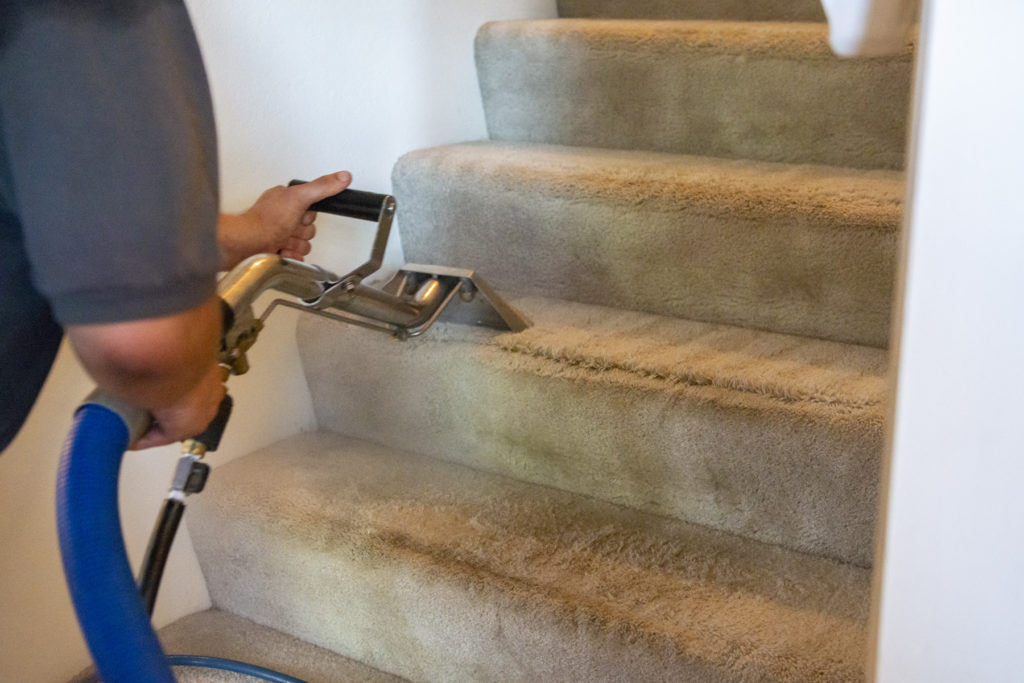
Choosing a carpet cleaner used to be mostly about price, drying time, and whether the stains came out. Now, more homeowners want to know what is actually being sprayed into the carpet, what stays behind after the technician leaves, and how those choices affect children, pets, indoor air, and the life of the carpet itself. In Greeley, that conversation matters even more than people sometimes realize. Between dry air, seasonal dust, winter slush, and the wear that comes from active households, carpets here take a beating. The products used to clean them can either help restore a healthy indoor space or leave behind residue that creates a new set of problems.
When people search for Carpet Cleaning Greeley CO, they are often trying to solve two issues at once. They want carpets that look and smell clean, and they want a process that feels responsible. Those goals are compatible, but only when the cleaner understands chemistry, fiber types, and local conditions well enough to make smart choices instead of relying on whatever smells strongest or foams the most.
Safe cleaning products are not a niche concern anymore. They are part of good professional practice.
Why safety in carpet cleaning is not just a marketing angle
A carpet acts like a filter. It traps dust, skin cells, pollen, pet dander, and the fine grit that gets tracked in from driveways and sidewalks. In a place like Greeley, where wind can carry plenty of dust and agricultural particulates, that filtering role becomes obvious fast. Carpets may look acceptable on the surface while holding a surprising amount of embedded soil below the pile.
The trouble starts when cleaning products are chosen for speed alone. Harsh detergents can leave sticky residue. Fragrances can irritate sensitive people. Solvents that are technically effective can be unpleasant in enclosed homes, especially in winter when windows stay shut. Even products that are marketed as “green” can disappoint if they are not used correctly or if they are paired with poor extraction.
A safe product is not just one with a friendly label. It should clean effectively, rinse well, leave minimal residue, and suit the carpet fiber. It should also be used in the right concentration. Overuse is one of the most common mistakes in carpet care. I have seen carpets cleaned with so much prespray that the room smelled intensely fresh for two days, yet the traffic lanes looked worse again within a week because the detergent film kept attracting soil.
That is not safer. It is simply less obvious than bleach or solvent misuse.
What “safe” really means in a professional carpet cleaning context
The word safe gets thrown around carelessly, so it helps to define it in practical terms. In professional carpet cleaning, safety usually means a product has a reasonable pH for the job, low or controlled volatile organic compounds, no unnecessary residue, and compatibility with the occupants of the home. It also means the cleaner knows when not to use a certain product.
A high-pH traffic lane cleaner may be appropriate for a heavily soiled synthetic carpet in a rental turnover, but it would be a poor choice for a delicate wool rug. An oxidizing spotter may save a carpet from a stubborn organic stain, but it has to be applied with restraint and neutralized or rinsed properly. “Natural” ingredients alone do not guarantee safety either. Citrus solvents, for example, can be useful, but they are still strong enough to create odor or sensitivity issues for some people if they are overapplied.
The best safe-cleaning approach is usually built around three principles. First, use the least aggressive product that will do the job. Second, rinse thoroughly. Third, tailor the chemistry to the stain, fiber, and household needs.
That sounds simple, but it separates careful professionals from companies that treat every carpet the same.
Why Greeley homes have their own carpet cleaning challenges
Carpet cleaning in northern Colorado has a rhythm to it. Spring often brings mud and pollen. Summer brings open windows and more dust. Fall can be manageable, but then winter arrives with tracked-in snowmelt, deicing residue, and the gritty mix that settles deep into entryways and family room traffic lanes. Add pets, kids, and the general dryness that makes fine soil more mobile indoors, and carpets can get loaded faster than homeowners expect.
That local pattern affects product choice. Salt and winter residue often require thorough flushing rather than heavy perfume. Dust-loaded fibers respond better to proper vacuuming and suspended-soil extraction than to excessive shampoo. Homes with forced-air heating can stir fine particulate matter, which makes low-residue methods especially important. If residue remains, the carpet can seem to “get dirty overnight,” when really it is just capturing and displaying more airborne dust.
This is one reason experienced Carpet Cleaning Greeley CO providers often spend more time on pre-inspection than customers expect. The carpet tells a story. A gray lane near the garage entry usually needs a different approach than a pet spot near the sofa or a beverage spill in a bedroom. Good cleaning starts by reading that story accurately.
The products that tend to work best, and the ones that often cause trouble
tlccarpetcleaningnortherncolorado.com Carpet Cleaning Greeley COMost safe and effective carpet cleaning systems rely on a sequence rather than a miracle product. A quality vacuum pass removes dry soil first. Then a measured prespray loosens oils and grime. Agitation may help in heavy traffic areas. After that, hot water extraction or another low-residue method removes suspended soil and product from the carpet.
Problems often come from shortcuts. Store-bought aerosol spotters can set certain stains, bleach color, or leave an attractant behind. High-foam shampoos may create the visual impression of deep cleaning, but foam itself is not cleaning power. Strong deodorizers can mask pet contamination without actually addressing it. Optical brighteners may give a temporary appearance of freshness while doing little for the actual soil load.
Safer products tend to share a few traits. They are designed to rinse clean. Their scent, if any, is modest. They use targeted chemistry rather than brute force. And they are chosen with the carpet material in mind. Nylon, polyester, olefin, and wool all respond differently. Anyone who has cleaned enough homes has seen what happens when a one-size-fits-all chemical is pushed onto every job. The results are inconsistent at best.
Residue is the issue many homeowners miss
If I had to name the most underestimated problem in carpet cleaning, it would be residue. Homeowners are often focused on whether the stain is gone that day. The better question is whether the carpet will stay cleaner over the next month.
Residue does three things you do not want. It grabs new soil, it can stiffen the feel of the carpet, and it may hold odors longer than a thoroughly rinsed carpet would. This is why some people feel disappointed after a cheap cleaning. The carpet looked brighter for a short window, then the traffic areas turned dingy again. That is frequently a residue problem, not proof that the carpet was beyond saving.
Safe cleaning products and methods are closely tied to low-residue performance. Even an excellent detergent becomes a poor choice if it is overmixed or poorly extracted. A technician who understands this will usually talk more about rinsing, extraction power, drying conditions, and post-cleaning care than about fragrance.
Homes with kids, pets, and allergy concerns need a different level of care
Many households asking about safe carpet cleaning are not being picky. They have a real reason. A crawling baby, a senior dog that spends most of the day on the floor, a family member with asthma, or a child with skin sensitivity changes the standard. In those homes, low-residue and controlled-odor cleaning matter more than branding language.
Pet homes are especially complicated. Surface cleaning can improve appearance, but urine contamination is a separate issue. If the problem has soaked into pad or subfloor, no general carpet shampoo will solve it. The safer and more honest approach is to identify where contamination exists, explain whether sub-surface treatment is needed, and avoid overpromising. Strong masking fragrances are common in pet treatments, but they are not always the best solution for occupied homes. Enzyme and oxidizing treatments can be useful, though they must be selected carefully and given proper dwell time.
For allergy-prone households, the cleaning method matters almost as much as the product. Thorough removal of particulates is the main goal. A lightly scented detergent followed by weak extraction is not better than a fragrance-free or low-odor option with excellent soil removal. Clean means less material left in the carpet, not just a stronger fresh smell.
Questions worth asking before you book
Most homeowners do not need a chemistry lecture. They do need a few clear answers. If a company cannot explain its process in plain language, that is usually a bad sign. You want to hear that they inspect the carpet, identify trouble spots, and choose products based on the fiber and the occupants of the home.
A few useful questions can quickly reveal whether a company takes safe cleaning seriously:
- What cleaning method do you use, and how thoroughly do you rinse products out?
- Are your products low-residue, and do you have options for homes with pets, children, or sensitivities?
- How long should the carpet take to dry in typical conditions?
- Do you treat urine contamination differently from ordinary spots?
- Will any areas be unlikely to improve fully, and can you tell me that before you start?
Those questions are simple, but they cut through vague promises fast. A professional should be comfortable answering them directly.
The difference between greenwashing and genuinely careful service
There is no shortage of labels that sound reassuring. Eco-friendly. Non-toxic. Natural. Family-safe. Some of these claims may be fair. Some are just broad language attached to average products and average technique. What matters in real homes is how the entire job is performed.
A genuinely careful service usually looks like this in practice. The technician asks about pets, kids, or sensitivities before unloading equipment. They inspect fiber type and wear patterns. They test spots rather than attacking them blindly. They use enough product to break soil loose, not enough to soak the carpet unnecessarily. They extract thoroughly and talk realistically about dry times. They do not promise that every stain will disappear, especially older ones, dye stains, or traffic lane wear that is really fiber damage.
Greenwashing tends to focus on slogans. Careful service focuses on process.
That distinction matters because even a mild product can become a problem if it is misused, and a strong but targeted product can be the right call in a limited area if it is applied responsibly and removed well.
Drying time is part of carpet safety too
People usually think of safety in terms of ingredients, but moisture control matters just as much. Overwetting a carpet can lead to wicking, browning, odor, and in neglected conditions, microbial growth. In Greeley’s dry climate, carpets often dry faster than in humid regions, but that does not mean every job is automatically low-risk. Poor airflow, dense padding, shaded basements, and overapplication can still create problems.
A good cleaner aims for a carpet that is damp, not soaked, after extraction. They may use air movers in heavier areas and will usually recommend keeping foot traffic light until the carpet is dry. If someone promises a deep cleaning while leaving the carpet wet for most of a day, I would want to know why. Sometimes a heavily soiled carpet or pet treatment legitimately requires more moisture, but that should be explained up front.
Drying is where technique reveals itself. Proper extraction is not glamorous, but it is one of the clearest signs of a professional job.
Spot removal, where good judgment matters most
Spotting is where the temptation to use aggressive chemistry is highest. A red drink spill, makeup stain, ink mark, or old pet spot can make anyone reach for the strongest bottle on the shelf. That is often where damage begins.
Different spots need different responses. Protein-based stains behave differently from oily residues. Rust is its own category. Dye stains can require specialty treatment and realistic expectations. Safe cleaning products are not always weak products, but they are used with control. Sometimes that means choosing a milder approach first and accepting partial improvement if the alternative risks color loss or fiber distortion.
Experienced cleaners know that saving the carpet matters more than winning a battle against one stain at any cost. I have seen traffic lanes permanently lightened because someone kept scrubbing with a strong spotter. I have also seen recurring spots vanish after one proper treatment because the issue was not the stain itself, it was the residue from previous attempts.
What homeowners can do between professional cleanings
A safe professional cleaning schedule works best when the carpet is not being overtreated at home in between visits. Most of the maintenance that preserves a carpet is surprisingly ordinary. Good vacuuming removes abrasive grit before it cuts into the fibers. Catching spills early matters. Entry mats reduce the load from sidewalks and driveways. Shoes-off habits help more than any deodorizer ever will.
For day-to-day care, keep it simple:
- Blot spills quickly with clean white towels, do not scrub.
- Use plain water sparingly before reaching for a chemical spotter.
- Vacuum high-traffic lanes more often than the rest of the house.
- Test any store-bought spot remover in a hidden area first.
- Call a professional sooner rather than later for recurring pet spots or mystery stains.
That short list prevents a surprising amount of permanent damage. The biggest mistake homeowners make is saturating a spot repeatedly with retail cleaner. Once the backing, pad, or subfloor gets involved, the issue gets more expensive.
Balancing safety, appearance, and budget
There is always a budget conversation around carpet cleaning, and that is fair. Not every home needs a premium treatment package. At the same time, the cheapest option can become expensive if it leaves residue, requires repeat cleaning, or shortens the carpet’s lifespan.
The good middle ground is a company that uses sensible chemistry and solid technique without upselling every room into a specialty service. For a typical family home, that usually means a thorough clean with low-residue products, targeted spot treatment where needed, and clear recommendations for any issue that goes beyond standard cleaning. Pet contamination, heavy filtration lines, or old stain recovery may cost more because they genuinely involve more labor and more specialized products. The key is transparency.
If a cleaner cannot explain why a product or service is necessary, skepticism is reasonable.
What to expect from a trustworthy Carpet Cleaning Greeley CO provider
A reliable local provider should understand more than equipment. They should understand how local homes live. They should know that winter entryways need special attention, that dry dust can be as much of a problem as visible mud, and that many homeowners want the cleanest possible result without a strong chemical smell hanging in the house afterward.
You should expect a pre-inspection, honest communication, and products selected for your specific carpet and household conditions. You should also expect nuance. Some stains can be improved but not erased. Some odor problems need sub-surface work. Some worn traffic lanes are actually fiber damage rather than retained soil. Professionals who tell the truth about those distinctions tend to do better work overall.
That is the real value behind a smart search for Carpet Cleaning Greeley CO. You are not just hiring someone to run a machine over the carpet. You are hiring judgment, product knowledge, and a process that respects both the flooring and the people who live on it every day.
Safe cleaning products are part of that picture, but only part. The best results come when safe chemistry is paired with restraint, strong extraction, realistic expectations, and careful drying. When Carpet Cleaning Greeley CO those pieces are in place, the carpet not only looks better on cleaning day, it stays cleaner longer and feels better to live with. That is what most homeowners are after, even if they do not describe it in those exact terms. They want a home that feels clean without worrying about what was left behind.
And that is exactly what a good carpet cleaning service should deliver.
TLC Carpet & Air Duct Cleaning
6380 W 10th St, Suite 7
Greeley, CO 80634
(970) 352-8176
FAQ About Carpet Cleaning Greeley CO
How much should a carpet cleaner cost in Greeley?
Pricing depends on the number and size of rooms, carpet condition, and add-ons such as stain treatment or stairs. Ask for an itemized quote.
How long will my carpet take to dry after cleaning?
Drying time varies with the carpet, cleaning method, humidity, and airflow. Ask the technician for an estimate and when to move furniture back.
How do I prepare my home for carpet cleaning?
Pick up small items, clear a path for equipment, and point out stains or delicate fibers. Ask the cleaner which furniture they can move and what needs to be moved before the visit.